SSNOC PRESIDENT CALLS FOR INVESTMENT IN NATIONAL SPORTING INFRASTRUCTURE FOLLOWING CHALLENGES IN TUNISIA
System Administrator
During South Sudan's participation in the FIBA Basketball World Cup 2027 African Qualifiers in Tunisia, the President of the South Sudan National Olympic Committee (SSNOC), Choul Laam, emphasised the urgent need for South Sudan to invest in its own sporting infrastructure and strengthen its capacity to host major international sporting events.
The President's remarks followed reported challenges encountered by the South Sudanese delegation during the qualifying window in Tunis. These experiences highlighted the difficulties national teams, and their supporters, can face when they depend entirely on external facilities and arrangements for training, competition and other essential operational needs.
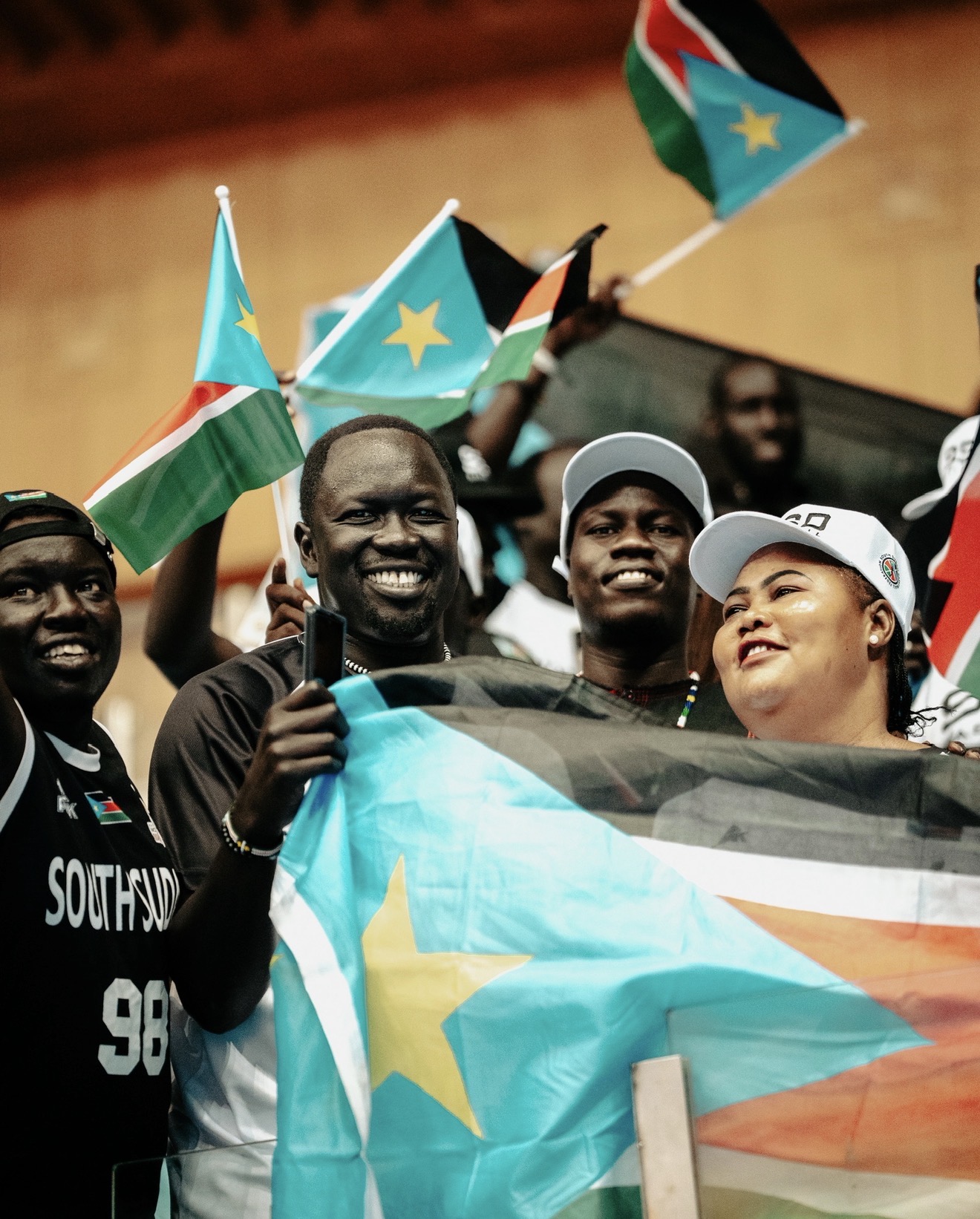
While the Bright Stars delivered an exceptional performance on the court, winning all three of their qualifying matches, the circumstances surrounding the delegation's participation raised important questions about the broader conditions required to support South Sudanese athletes.
President Laam stressed that developing domestic sporting infrastructure is not simply a matter of constructing stadiums and training facilities. It is also about strengthening national capacity, protecting the dignity of athletes and officials, improving logistical preparedness and ensuring that South Sudan can increasingly manage major sporting activities on its own terms.
A country with growing sporting ambitions must have the facilities and systems necessary to prepare its athletes effectively, host international delegations and organise competitions in accordance with international standards.
For South Sudan, investment in sporting infrastructure would also create opportunities for young people, support the growth of national federations, encourage grassroots participation and contribute to the development of a stronger sporting economy.
The SSNOC recognises that achieving this ambition requires a coordinated national effort involving the Government, the Ministry of Youth and Sport, sporting federations, development partners and the private sector.
The Committee therefore calls for sustained investment in sports facilities, training centres, courts and other essential infrastructure, alongside transparent governance, technical development and long-term planning.
The Bright Stars' success in Tunisia demonstrated the talent and determination South Sudan brings to international competition. The next step is to ensure that this talent is supported by the infrastructure, resources and institutional capacity it deserves.
South Sudan must continue to compete internationally while building the facilities and systems that will allow its athletes to train, thrive and succeed at home.
Article Information